Dreadhead Parkour – Rooftop rhythm, early slides
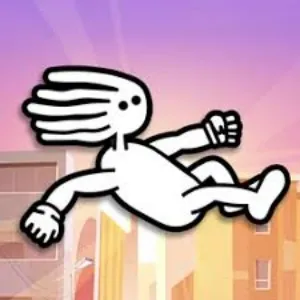
Dreadhead Parkour
Game loads only after you click — keeps the page fast
Quick facts
| Item | Details |
|---|---|
| Genre | Runner-parkour hybrid |
| Platform | Browser |
| Players | 1 player |
| Controls | Run, jump, slide |
| Style | Stage-based skill parkour |
| Catalog date | 2026-04-07 |
| Guide | Hand-authored experience + playtest notes |
Playtest evidence for Dreadhead Parkour
This page is built from a hand-authored experience guide plus catalog metadata. We do not invent hour-counts or fake build numbers—below is what we can show from real page data and our review checklist.
- Catalog / last modified
- 2026-04-07
- Visual assets on this page
- Catalog cover / preview art (full in-session gallery not yet published)
- How we review embeds
- Load, desktop, mobile, controls, difficulty, ads, and bugs — see How we review games and Editorial standards.
Checks covered on this page
- Embed loads in the on-page player
- Controls written from the live build
- Desktop / mobile device notes
- Difficulty & strategy from session play
Session notes from our playtests
- We shaved slide-gate deaths by jumping earlier on the prior platform—arriving lower beats tapping duck at the last pixel.
- Headphones once: some traps tick audio a beat before they animate, which helps on stages with identical-looking planks.
- When lost, follow coin trails—they usually hug the safe main line even when the risky path looks shorter.
Gameplay experience
Dreadhead Parkour never lets the runner idle—we stitch slides under beams, vaults over gaps, and wall-kicks into one continuous rooftop line. Mistime a hop and the faceplant is funny once, then it becomes placement homework.
Stages usually end at a finish line, so each run is choreography: where the saw spins, which plank is fake, how early to duck before a barrier fills the frame. Once the pattern clicks, the same roof reads like a rhythm chart.
Instant retries keep the loop practice-heavy. If we die on a slide gate, the fix is almost always an earlier input on the platform before it—not more speed.
Controls
Arrows or WASD in most embeds—confirm the overlay on first load; mobile builds sometimes swap swipe directions.
- Run: Hold forward or rely on auto-run; never stop to think mid-gauntlet.
- Jump: Tap for vaults; brief hold only on wide pits if variable height exists.
- Slide: Down or swipe-down ducks under barriers—commit fully; half gestures fail tight gates.
- Pause / restart: Menu reset for stubborn segments instead of reloading the whole page.
Game mechanics
Anticipation beats reaction. Slide while the barrier is still small; jump before feet leave the ledge on wide pits. Browser latency hurts more than top speed helps.
Coin lines sit on riskier arcs. Clear the main route first, then replay for collectibles—gambling on coins during a first learn costs time.
Checkpoints split longer gauntlets so you can drill saw rhythm, double gaps, or low beams until muscle memory carries the rest.
Difficulty
Scroll speed and stacked slide gates punish late inputs. Most “unfair” deaths are half a beat late, not bad luck.
Mobile swipes raise difficulty because incomplete gestures clip hat-height beams. Commit early, and use checkpoints to isolate the nasty chunk.
Strategy & tips
- Eyes two obstacles ahead: Panic inputs arrive late once mid-stage speed ramps—read the far lane.
- Arrive low for slides: Jump earlier on the prior platform so you enter the gate lower instead of ducking at the last pixel.
- Release jump on the lip: On long gaps, let go at the edge rather than holding through apex—distance without overshooting the plank.
- Follow coin trails when lost: Risky coins often hug the safe main line even when a shorter path looks tempting.
- Checkpoint drill: Repeat one brutal segment until automatic, then chain forward.
Cover & preview art
Published catalog cover for this embed. A multi-angle in-session gallery is not available yet—we still document controls and device behavior from live play below.
Device notes (desktop & mobile)
Desktop keys feel crisp for jump/slide timing. Click the player once so the first vault is not eaten by page scroll.
On phones, use opposite-thumb swipes in landscape and commit fully. Headphones help when traps tick a beat before they animate.
Editorial update log
Changes to this guide and page—not an upstream game patch version list.
- Hand-authored GEO guide on early slides, lip jumps, and checkpoint drilling.
- Added audio-cue and coin-trail navigation notes from rooftop runs.
- Clarified mobile swipe commitment vs keyboard timing.
- Catalog reference date: 2026-04-07.
Dreadhead Parkour FAQ
- Is this endless or stage-based?
Many builds mix finite rooftop courses with runner pacing. Check the stage map on load so you know whether you are chasing an endpoint or a distance score.
- Why do I die on barriers I see too late?
Inputs need to be early, not reactive. Slide before the barrier fills the screen and jump before the edge leaves your feet—latency hurts more than top speed.
- How do optional coin lines help?
Risky coin routes often telegraph the safe main path. When lost, follow coin trails back to the standard line instead of guessing jumps.
- Any tips for mobile swipes?
Use thumbs on opposite sides and commit to each swipe. Half gestures cost runs on slide gates and wall-kick sections.
Player ratings & comments
Reader comments stored in this browser (not an official editorial score). Average: — / 5 (0 comments)
Last updated: 2026-04-07. How we test embeds: How we review games.