Drive Mad – Feather throttle, keep the cargo
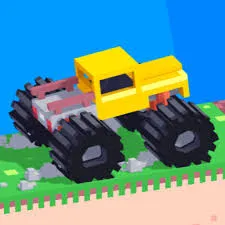
Drive Mad
Game loads only after you click — keeps the page fast
Quick facts
| Item | Details |
|---|---|
| Genre | Physics truck trials |
| Platform | Browser |
| Players | 1 player |
| Controls | Gas, brake, optional tilt |
| Style | Slow physics puzzles |
| Catalog date | 2026-04-07 |
| Guide | Hand-authored experience + playtest notes |
Playtest evidence for Drive Mad
This page is built from a hand-authored experience guide plus catalog metadata. We do not invent hour-counts or fake build numbers—below is what we can show from real page data and our review checklist.
- Catalog / last modified
- 2026-04-07
- Visual assets on this page
- Catalog cover / preview art (full in-session gallery not yet published)
- How we review embeds
- Load, desktop, mobile, controls, difficulty, ads, and bugs — see How we review games and Editorial standards.
Checks covered on this page
- Embed loads in the on-page player
- Controls written from the live build
- Desktop / mobile device notes
- Difficulty & strategy from session play
Session notes from our playtests
- We tap brake right before sharp downslope transitions—suspension settles and crates stay put more than heroic steering fixes.
- On wavy bridges, sync short gas pulses with plank peaks; constant throttle leaves the chassis airborne and out of control.
- Long beds need wider turns: approach diagonal ramps straighter or the rear wheels miss the edge on exit.
Recent page / catalog updates
- Expanded slope-control section with clearer throttle and brake rhythm patterns for unstable cargo stages.
- Added bridge-wave timing notes to reduce traction loss on oscillating surfaces.
- Improved recovery advice for players who flip repeatedly after crest transitions.
Gameplay experience
Drive Mad is slapstick with weight: we inch a wobbly truck over cartoon hills and seesaws that look innocent until the nose loops backward. Gentle throttle keeps rubber on dirt; a full send on a crest launches the cab into a flip we retry five seconds later.
Every map is a puzzle about when to power, coast, or reverse a foot so the bed settles. Boxes and logs slide with pitch—slam the brakes on a downslope and the load beats us to the finish.
Racers hunting lap times bounce off the crawl pace. Players who like tactile vehicles and fair trial-and-error clears binge the short stages on purpose.
Controls
Gas and brake map to arrows or triggers; some builds add tilt—check the hint strip on first load.
- Gas / brake: Up/down or triggers crawl forward and back; tap rather than hold on wobbly bridges.
- Restart: Reset immediately after a bad landing—waiting while physics wobbles wastes time.
- Camera: Pick the angle that shows upcoming slope grade over cinematic shots.
- Mute if needed: Engine pitch helps bridge rhythm; mute for late-night runs if it distracts.
Game mechanics
Torque and suspension beat top speed. Steep climbs want power pulses; crests want you off the gas so the nose does not wheelie into a backward loop.
Cargo reacts to pitch and braking. Tap brake before sharp drops—momentum ejects crates even when the truck survives.
Star rules shift: some maps forgive rollovers, others fail one airborne crate. Read the HUD before assuming rough landings still count.
Difficulty
Crest transitions and wavy bridges are the skill floor. Constant throttle leaves the chassis airborne; short pulses synced to plank peaks keep tires planted.
Long beds raise difficulty on diagonal ramps—approach straighter or the rear wheels miss the exit edge. Patience is the difficulty curve, not horsepower.
Strategy & tips
- Feather climbs: Pulse throttle on steep grades to keep traction without standing the cab on its rear wheels.
- Lift on crests: Ease gas at the hilltop so you land rear-heavy instead of looping backward.
- Brake before drops: Gentle brake before steep descents keeps crates on the bed.
- Reverse to reset angle: A short roll backward straightens a twisted bed before retrying a bridge.
- Bridge-wave timing: Sync short gas pulses with plank peaks so tires stay in contact.
Cover & preview art
Published catalog cover for this embed. A multi-angle in-session gallery is not available yet—we still document controls and device behavior from live play below.
Device notes (desktop & mobile)
Keyboard feathering is the cleanest way to medal unstable cargo stages. Click the embed so gas taps are not lost to the page.
Touch works for casual clears—watch over-held accelerate on lips. Landscape helps you read slope grade ahead of the cab.
Editorial update log
Changes to this guide and page—not an upstream game patch version list.
- Hand-authored GEO guide with slope rhythm, cargo brake timing, and bridge-wave notes.
- Expanded crest recovery advice for repeated backward loops.
- Documented camera and audio cues from our truck trial sessions.
- Catalog reference date: 2026-04-07.
Drive Mad FAQ
- Why does my truck loop backward on hills?
Full throttle at the wrong pitch. Ease gas near crests and let the nose settle before climbing the next slope.
- How do I keep cargo from flying out?
Slam brakes launch the load. Tap brake before sharp downslope transitions and use steady power on climbs instead of spikes.
- What’s the trick on wobbly bridges?
Sync short gas pulses with wave peaks so tires stay in contact. Constant throttle often leaves the chassis airborne and out of control.
- Is this like a racing game?
No—it is slow physics trials. Patience and traction management beat lap speed; think cargo delivery, not street racing.
Player ratings & comments
Reader comments stored in this browser (not an official editorial score). Average: — / 5 (0 comments)
Last updated: 2026-04-07. How we test embeds: How we review games.