Master Chess – Browser board, threat-first habits
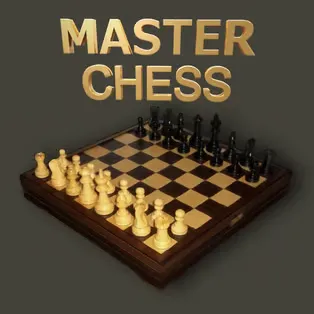
Master Chess
Game loads only after you click — keeps the page fast
Quick facts
| Item | Details |
|---|---|
| Genre | Classic chess |
| Platform | Browser |
| Players | 1–2 (AI or pass-and-play) |
| Controls | Click / tap to move |
| Style | Full-rules board strategy |
| Catalog date | 2026-04-07 |
| Guide | Hand-authored experience + playtest notes |
Playtest evidence for Master Chess
This page is built from a hand-authored experience guide plus catalog metadata. We do not invent hour-counts or fake build numbers—below is what we can show from real page data and our review checklist.
- Catalog / last modified
- 2026-04-07
- Visual assets on this page
- Catalog cover / preview art (full in-session gallery not yet published)
- How we review embeds
- Load, desktop, mobile, controls, difficulty, ads, and bugs — see How we review games and Editorial standards.
Checks covered on this page
- Embed loads in the on-page player
- Controls written from the live build
- Desktop / mobile device notes
- Difficulty & strategy from session play
Session notes from our playtests
- We ask what the rival threatens before every move—habit cut blunders more than any opening memorization.
- Open files pointing at your king are alarms; close them or add defenders before launching wing attacks.
- In pawn endgames, activating the king early turned lost draws into wins more than extra queen hunts.
Gameplay experience
Master Chess drops a legal-move board into the browser so we can squeeze a game against AI or pass-and-play without dusting a physical set. Check and checkmate are handled; the skill ceiling is still calculation.
Even quick sessions punish lazy openings. We develop knights and bishops, castle before the center explodes, and stop moving the same piece twice while the rival brings new attackers online.
Hints and undo vary by host build. What stuck for us was one habit: before every move, ask what is threatened next—more blunders died that way than from memorizing opening names.
Controls
Click or tap to move in most embeds; use the on-screen legend if keyboard shortcuts appear.
- Select piece: Click a piece, then a highlighted square; illegal targets stay disabled.
- Castling: Move the king two squares toward the rook; the engine jumps the rook if the path is clear.
- Promotion: Reach the back rank and pick a piece—queen by default; underpromote only to stop stalemate tricks.
- Undo / hint: Use hints to learn patterns, not to force a casual win at any cost.
Game mechanics
Middlegame trades should answer structure: does the capture open your king, fix pawns, or win a tempo toward an attack?
Endgames punish sleeping kings. Activate once checks fade, push passed pawns with support, and trade only when structure improves.
Clock modes change risk appetite—blitz rewards pattern memory; longer clocks reward forcing-line calculation.
Difficulty
AI levels and clocks set the curve. Blunders usually come from skipping the threat scan, not from missing opening theory.
Winning endgames slip away when the king stays passive. Patience with passed pawns is harder than flashy queen hunts—and more decisive.
Strategy & tips
- Fight for the center: Occupy or influence e4/d4/e5/d5 early; wing attacks work better once center files are contested.
- Scan for forks: Check every rival move for knight forks and loose pieces—then ask the same question about your own move.
- Trade with a plan: Exchange when it improves your pawn shape; refuse trades that open files toward your king.
- One tactic theme per game: Hunt only forks, pins, or back-rank threats until that pattern sticks.
- Replay losses: Step backward to the moment you stopped asking what was threatened next.
Cover & preview art
Published catalog cover for this embed. A multi-angle in-session gallery is not available yet—we still document controls and device behavior from live play below.
Device notes (desktop & mobile)
Pointer or touch selection works cleanly on desktop and tablets. Click the board once so the first piece select is not lost to page chrome.
Phones are fine for casual AI games; landscape helps see the whole board when you are calculating forcing lines.
Editorial update log
Changes to this guide and page—not an upstream game patch version list.
- Hand-authored GEO guide emphasizing threat scans, center play, and endgame king activity.
- Clarified castling, promotion, and hint usage for browser embeds.
- Added pass-and-play / AI mode notes for quick sessions.
- Catalog reference date: 2026-04-07.
Master Chess FAQ
- What should beginners focus on first?
Develop pieces, castle early, and avoid moving the same unit twice without reason. Pick one tactic per game—forks, pins, or back-rank threats—and hunt only that.
- How do I stop blundering pieces?
Before each move, ask what your opponent threatens next. Habit beats calculation depth at beginner level.
- Is there online multiplayer in the embed?
Depends on the host build. Many browser versions offer AI or local pass-and-play—open the menu to see which modes load.
- Why do I lose winning endgames?
Activate your king once checks fade, push passed pawns with support, and trade only when structure improves. Small edges need patience, not rush attacks.
Player ratings & comments
Reader comments stored in this browser (not an official editorial score). Average: — / 5 (0 comments)
Last updated: 2026-04-07. How we test embeds: How we review games.