Ragdoll Drop – Score chaos falls online
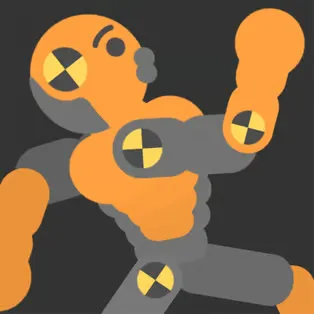
Ragdoll Drop
Game loads only after you click — keeps the page fast
Quick facts
| Item | Details |
|---|---|
| Genre | Ragdoll Physics / Arcade |
| Platform | Browser |
| Players | 1 |
| Controls | Aim / charge / air nudge |
| Style | Score chase / Funny physics |
| Catalog date | 2026-04-07 |
| Guide | Hand-authored experience + playtest notes |
Playtest evidence for Ragdoll Drop
This page is built from a hand-authored experience guide plus catalog metadata. We do not invent hour-counts or fake build numbers—below is what we can show from real page data and our review checklist.
- Catalog / last modified
- 2026-04-07
- Visual assets on this page
- Catalog cover / preview art (full in-session gallery not yet published)
- How we review embeds
- Load, desktop, mobile, controls, difficulty, ads, and bugs — see How we review games and Editorial standards.
Checks covered on this page
- Embed loads in the on-page player
- Controls written from the live build
- Desktop / mobile device notes
- Difficulty & strategy from session play
Session notes from our playtests
- Aim at fan edges rather than dead center—center hits often kill the horizontal speed you needed for the next prop.
- When combos break, shorten air time with early obstacle taps instead of chasing one final big impact.
- Screenshot high-score routes; visual memory beats trying to recreate a lucky chain from feel alone.
Gameplay experience
Ragdoll Drop is not about sticking a landing—it is about staging a disaster on purpose. You throw a floppy body through scaffolding, fans, barrels, and spikes, and the meter pays you for impacts, spins, and chained collisions.
Stages feel like toy Rube Goldberg kits. A trampoline aimed wrong is either a combo engine or a hard stop. After a few retries you stop hoping for “lucky” flops and start aiming at fan edges because center hits kill the horizontal speed you need next.
The tone stays arcade and a little mean: limbs tangle, numbers pop, and the best runs look accidental until you realize you planned the third bounce all along.
Controls
Aim-and-release (or on-screen charge). Check level one for whether mid-air nudges exist in your build.
- Aim trajectory: Set direction before release—tiny angle changes rewrite the whole chain.
- Charge: Hold for power if the build supports it. Full pull is not always better than a medium launch into clutter.
- Mid-air nudge: If air taps exist, learn them on stage one. Discovering them mid-high-score attempt wastes a run.
- Quick restart: Reset immediately after a dead launch so experimentation stays fast.
Game mechanics
Impact angle converts speed into rotation. Messy paths often outscore tidy drops if you keep touching surfaces before the combo timer dies.
Long empty air bleeds score. Route through clutter so the body kisses something every beat.
Retries are cheap on purpose—this is a lab game. Change five degrees of launch and treat the new chain as data.
Difficulty
Easy to start, hard to optimize. Anyone can flop once; chaining props without a dead bounce is the real skill ceiling.
Difficulty spikes when stages punish greed—spike detours that look high-scoring end runs if you have not banked a safe baseline route.
Strategy & tips
- Scout before launch: Note spring facing and fan edges. Center fan hits often kill horizontal speed.
- Nudge timing beats max power: A late mid-air tap can align the next bounce better than a heroic full charge.
- Bank a safe score first: Establish a reliable baseline route, then add hazard detours for bonus hits.
- Screenshot good lines: Visual memory beats trying to recreate a lucky chain from feel alone.
Cover & preview art
Published catalog cover for this embed. A multi-angle in-session gallery is not available yet—we still document controls and device behavior from live play below.
Device notes (desktop & mobile)
Desktop mouse aim made fine angle control easier in our tests. Click the frame before dragging.
Touch works for casual launches; high-score hunting felt better with a mouse or trackpad where five-degree nudges are less clumsy.
Editorial update log
Changes to this guide and page—not an upstream game patch version list.
- Hand-authored GEO guide focused on combo routing and fan-edge aiming from our score chases.
- Documented “bank safe route first” advice after greedy spike detours kept ending runs.
- Noted mid-air nudge discovery should happen on stage one, not mid-PB attempts.
Ragdoll Drop FAQ
- Why does my combo keep dying in open air?
You are flying too clean. Steer into props so impacts keep the meter alive.
- Should I always max-charge the throw?
No. Medium launches into dense clutter often score higher than full-power sky shots.
- Fans feel random—are they?
Edges preserve horizontal speed better than dead-center hits in our runs.
- Any tip for learning a stage fast?
Scout once, bank a safe score, then add risk. Screenshot the line that worked.
Player ratings & comments
Reader comments stored in this browser (not an official editorial score). Average: — / 5 (0 comments)
Last updated: 2026-04-07. How we test embeds: How we review games.